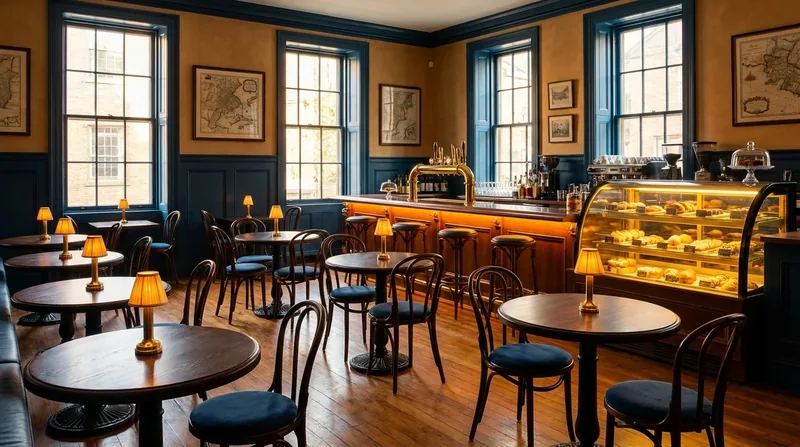
How to Start a Restaurant in Mississippi: MSDH Permit, Privilege License and Alcohol
How to Start a Restaurant in Mississippi: MSDH Permit, Privilege License and Alcohol
Opening a restaurant in Mississippi means working through several separate approvals, and most of them come from different offices. The state does not issue a general business license. Your city issues the local privilege license, the Mississippi State Department of Health (MSDH) issues the food permit, and the Department of Revenue (DOR) handles your sales tax registration. If you plan to serve alcohol, the Mississippi Alcoholic Beverage Control (ABC) division adds another layer. This guide puts those approvals in the order you will usually meet them and lists what each one costs.
The steps are the same whether you plan a full-service dining room, a counter-service barbecue spot with a smoker out back, or a takeout kitchen. What changes is your city's rules and the risk level MSDH assigns to your menu.
What You Need Before You File
Gather these items before you walk into a city office. A missing document usually stalls the whole sequence, and a floor plan change after MSDH review means resubmitting.
- A signed lease or purchase contract for the site, with restaurant use stated as the permitted use
- A floor plan drawn to scale that shows seating, prep areas, the dish room, restrooms, walk-in coolers, hand sinks, and the smoker or pit location
- Spec sheets for every cooking, refrigeration, and dish-washing unit
- A complete menu that describes how each item is prepared, including any smoking, curing, or cooling steps
- Your entity paperwork, if you have already formed an LLC or corporation
- A plan for who will earn the certified food manager credential, since one must be on staff
- A budget that covers the permit fees below, plus a bond if DOR requires one for your sales tax permit
Mississippi Has No State Business License
Mississippi does not issue a single statewide business license, so it helps to know which filings are which before you spend money on any of them.
- Entity registration. Filing a Certificate of Formation (Form F0100) with the Secretary of State registers your LLC. It is a registration, not a license. The fee is $50, and you file through the Secretary of State's online portal at corp.sos.ms.gov. Mississippi LLC names must include "limited liability company," "L.L.C.," or "LLC."
- Assumed name. If you will operate under a name other than your LLC's legal name, such as a barbecue brand, file a Fictitious Business Name Registration (Form F0070) for $25. It is filed with the Secretary of State, not the county.
- Tax registration. The DOR sales tax permit is a tax registration. It carries no fee.
- Local privilege license. Every city, town and village issues its own privilege license under Miss. Code 27-17. Counties license only businesses outside municipal limits, so a restaurant inside city limits deals with the city, not the county.
Two more points matter for entity choice. An LLC taxed as a partnership reports its income on the members' Mississippi returns and does not pay the franchise tax, which applies to corporations. An LLC that elects corporate tax treatment pays Mississippi corporate income tax plus the franchise tax. Mississippi also has no state minimum wage law, so the federal minimum wage governs your hourly staff. Confirm your entity choice with a CPA before you sign a lease.
Fees at a Glance
| Item | Cost | Where it is filed or paid |
|---|---|---|
| LLC Certificate of Formation (Form F0100) | $50 | Secretary of State |
| Fictitious business name (Form F0070) | $25 | Secretary of State |
| MSDH food plan review fee | $224.25 | MSDH |
| MSDH annual food permit | $40, $132.25, $198 or $264.50, by risk level | MSDH |
| ABC on-premises permit | $925 combined fee | ABC |
| ABC beer permit | $30 state, plus a local fee of up to 50% | ABC and city clerk |
| Sales tax permit | No fee (a bond may be required) | Department of Revenue |
| City privilege license | Varies by city | City clerk |
Step-by-Step: Permits in Order
Step 1: Confirm zoning and submit your plans to the city
Start with the city's planning or zoning office before you sign anything. Confirm that a restaurant is allowed at the address, and ask specifically about parking, signage, hours, and outdoor cooking. Barbecue operators should ask whether a smoker or outdoor pit is allowed, where it may sit, and how its exhaust must be handled. Many cities also run a building plan review, so your architect or contractor must submit drawings that match the floor plan you will send to MSDH. Plan review fees vary by city, so confirm them at the counter.
Step 2: Get the MSDH plan review and food permit
Email [email protected] to request the food service plan review packet. Complete it with your floor plan, equipment list, and menu, then pay the $224.25 plan review fee. Submit plans before you build out. Changing equipment or layout after approval can mean another review.
After construction, MSDH inspects the facility. Once you pass, you receive an annual food permit. The fee depends on the risk level MSDH assigns to your operation: $40, $132.25, $198, or $264.50. Ask the reviewer which tier applies to your menu, since a menu that includes smoking, curing, or extended cooling may place you in a different category. These figures come from the MSDH food service page as reviewed in September 2024. Confirm the current amounts with MSDH before you finalize your budget.
In some cities, such as Gautier, the MSDH inspection must be completed before the city opens your license. Build that sequence into your opening timeline.
Step 3: Staff a certified food manager
MSDH requires a certified food manager in every food facility. Choose a program that MSDH accepts, complete the course and exam, and keep the certificate on site. If your manager leaves, your restaurant needs a certified replacement, so cross-train at least one backup. Confirm the list of accepted programs with MSDH, since the rules and course providers can change.
Step 4: Apply for alcohol permits, if you will serve alcohol
Skip this step if you plan a dry restaurant. If you will serve liquor, the ABC on-premises permit carries a $925 combined fee. The order of approvals varies. In Gautier, the ABC permit comes before the city privilege license. In Cleveland, you need approval from the Police Department, the Planning Commission, and the Board of Aldermen in addition to ABC. Some cities and counties restrict alcohol sales, so confirm your location's status before you sign a lease.
Beer or light wine requires a separate beer permit. The state fee is $30, plus a local fee of up to 50%. The base for that local figure is not settled here, so ask the city clerk and ABC exactly how the local amount is calculated before you budget.
Step 5: Get the city privilege license
Apply at the city clerk's office with your zoning approval, your MSDH documentation, and any ABC approvals. Fees and renewal dates vary by city, so ask the clerk for the current fee schedule, how the fee is calculated, and when it renews. Put the renewal date on your calendar the day you receive the license. Missing a renewal can interrupt operations.
Step 6: Register for sales tax and check local restaurant taxes
Apply for a sales tax permit through the Department of Revenue at dor.ms.gov. The permit has no fee. If you have no permanent Mississippi location, DOR may require a bond. Mississippi's state sales tax is 7%. The state rate has no county add-on, and city levies on top of the state rate apply only in Jackson and Tupelo.
Many cities and counties also levy special restaurant or tourism taxes, which DOR lists by location. For example, Aberdeen levies a 1% tax. Look up your city on the DOR site and configure your point-of-sale system before opening, so the right tax is collected on every check.
Step 7: Calendar your recurring deadlines
Your LLC annual report is due April 15 each year. It may be filed on or after January 1, it must be filed online, and it carries no fee (Form F0108). Failing to file can lead to administrative dissolution. If you chose a corporation, its annual report fee is $25, due April 15 for profit corporations and May 15 for nonprofits. Your city privilege license, MSDH food permit, and certified food manager credential each renew on their own schedule, so track all of them in one place.
What to Expect
A complete, accurate packet tends to move through the process more smoothly than an incomplete one. Plan review and inspection timelines depend on each agency's workload, so the schedule for your opening may not match the timeline in your lease. Many operators sign a lease with a contingency that allows time for approvals, and that protects both the budget and the landlord relationship. Treat every timeline in this guide as a planning estimate, not a promise, and confirm current processing times with each office.
Common Mistakes to Avoid
- Signing a lease before confirming zoning. A restaurant use that is not permitted at the address can end the project after you have already committed money.
- Treating the LLC filing as the license. The $50 Certificate of Formation registers the company. It does not authorize you to operate a restaurant.
- Building before MSDH review. Moving a hood, sink, or walk-in after approval can cost more than the original permit.
- Assuming one certified manager covers you forever. Staff turnover is common in food service, so keep a backup certified employee.
- Ignoring the beer permit. Beer or light wine needs its own permit, even if you do not plan to sell liquor.
- Setting prices before checking local taxes. A special restaurant tax in your city changes your effective menu price, so check DOR before you finalize the menu board.
- Using a name without filing it. If customers know your restaurant by a name other than the LLC's, file the $25 fictitious name registration.
Barbecue-Specific Notes
Barbecue operations raise questions that other restaurants may not face. Show the smoker location, its fuel storage, and its exhaust path on the floor plan you submit to the city and MSDH. Ask the city whether outdoor cooking and smoke are permitted at your address, and whether neighbors' complaints about smoke or odor could affect your permit. Plan cooling and holding space for smoked meats, since inspectors typically look closely at how product is cooled and held. Keep written logs for smoking, cooling, and holding temperatures so you can show your process clearly at inspection.
Restaurant Versus Catering, Coffee Shop or Bakery
Catering, coffee shops, and bakeries share some of these requirements, but each has its own rules for equipment, menu, and operating hours. This guide covers a full-service or counter-service restaurant. If your concept is primarily catering, coffee, or baked goods, check the separate guides on this site before you file, because a permit scope that does not match your operation can cause problems at inspection.
Official Resources
- Mississippi Secretary of State, Business Services Division: https://www.sos.ms.gov/business-services
- Secretary of State business search: https://corp.sos.ms.gov/corp/portal/c/page/corpBusinessIdSearch/portal.aspx
- Secretary of State online filing portal: https://corp.sos.ms.gov/corp/portal/c/page/corpnewfilings/portal.aspx
- Mississippi Department of Revenue: https://www.dor.ms.gov/
- DOR sales tax permit registration: https://www.dor.ms.gov/business/sales-use-tax/registration-information-sales-and-use-tax-applicants
- MSDH food service plan review: email [email protected]
- Mississippi Alcoholic Beverage Control (ABC): confirm the current permit page and forms through the state site before applying
- Mississippi Small Business Development Center Network: https://www.mississippisbdc.org/ (free advising across 19 locations)
- SBA Mississippi district office: https://www.sba.gov/district/mississippi
Disclaimer
This article is informational only and is not legal or tax advice. Permit rules, fees, and renewal dates change, and many of them vary by city. Before you sign a lease, choose an entity, or budget for opening, talk with a qualified Mississippi attorney and a CPA, and confirm every fee with the agency that charges it.
Keep exploring: related Mississippi guides
- How to Start a Food Truck in Mississippi
- How to Start a Seafood Dealer, Shrimp or Oyster Business in Mississippi
- How to Start a Food Truck in Hattiesburg
- How to Start a Bakery Business in Mississippi
- Mississippi Alcohol License
- How to Start an LLC in Mississippi
- Mississippi Business License
- How Much Does It Cost to Start a Business in Mississippi
- All Mississippi business types
- Every Mississippi guide in one place